
Sizes from the maker, in plain view
Size, material and the drain each product is made for come from the manufacturer's listing, with sizes in millimetres where the maker gives them. If a measurement is not published, we say so and do not guess.
Drains Company sells hair catchers, sink strainers, plugs, drain snakes, plungers, floor drain covers, shower grates and gutter guards for New Zealand homes. Size, material and the drain each product fits are listed on every product page.

A drain part is only useful if it fits the drain you have. We list the facts that decide that, so you can check before you buy.
Size, material and the drain each product is made for come from the manufacturer's listing, with sizes in millimetres where the maker gives them. If a measurement is not published, we say so and do not guess.
Hair in the shower, scraps in the kitchen sink, a missing bath plug and leaves in the gutter are different jobs. Each category page explains what to measure and what to look for.
Some hair catchers and covers lie on top of the drain. Others drop into it. The product page says which, because the measurement you need is different for each.
For a blockage we sell plungers, drain snakes and drain brushes you work by hand. We do not sell caustic drain cleaners.
Orders are sent with a tracked courier. Delivery is free on orders over $175 and a flat $20 under that. Most orders arrive within 5 to 10 working days.
Not what you expected? Send it back within 14 days in resaleable condition for a full refund, on top of your rights under the Consumer Guarantees Act 1993.
A starting point in each part of the range. Compare the rest by size, material and fit on the shop page. Free NZ-wide delivery on orders over $175.


Mesh, rims, seals and fittings, shown in the makers' own photos. Sizes and materials are on each product page.
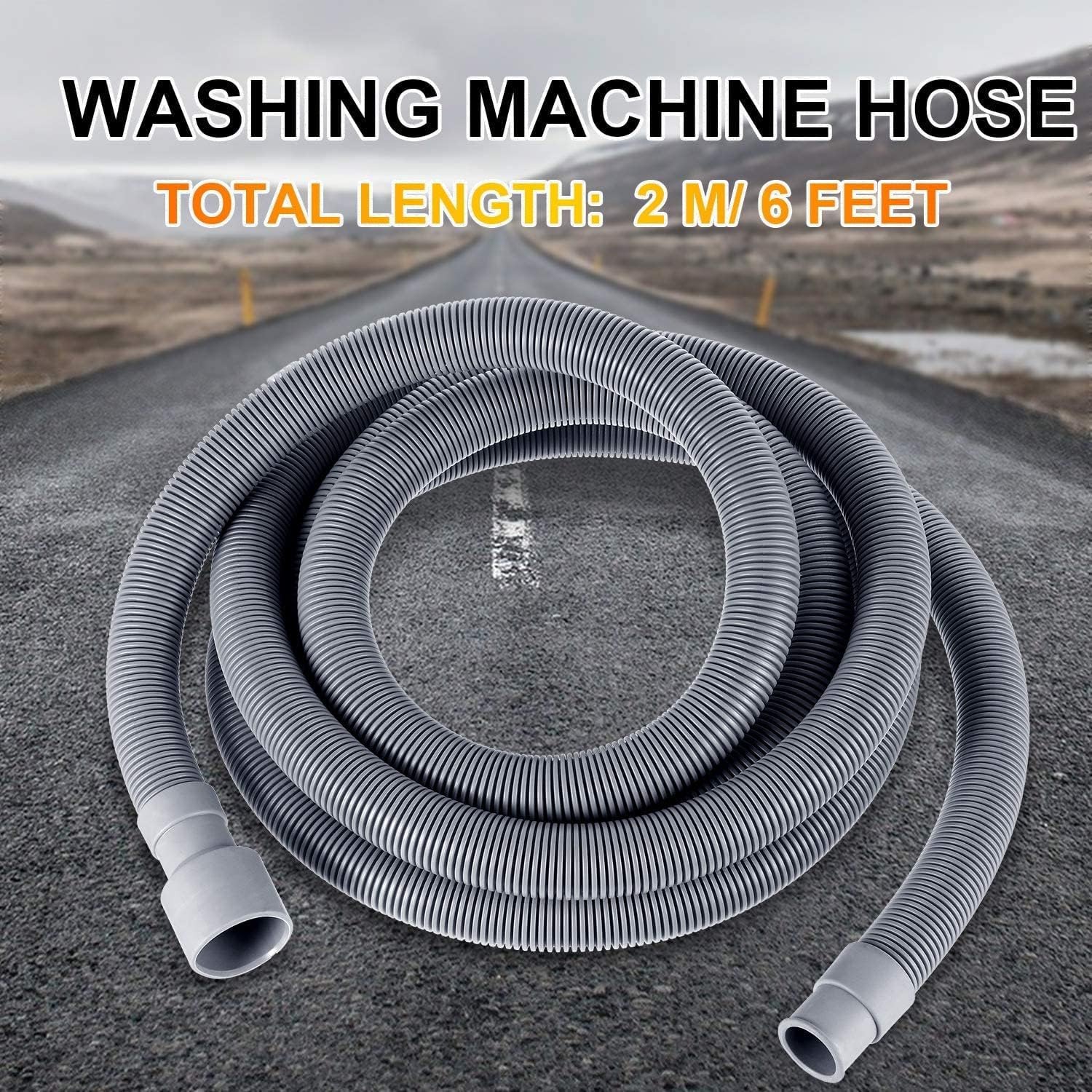
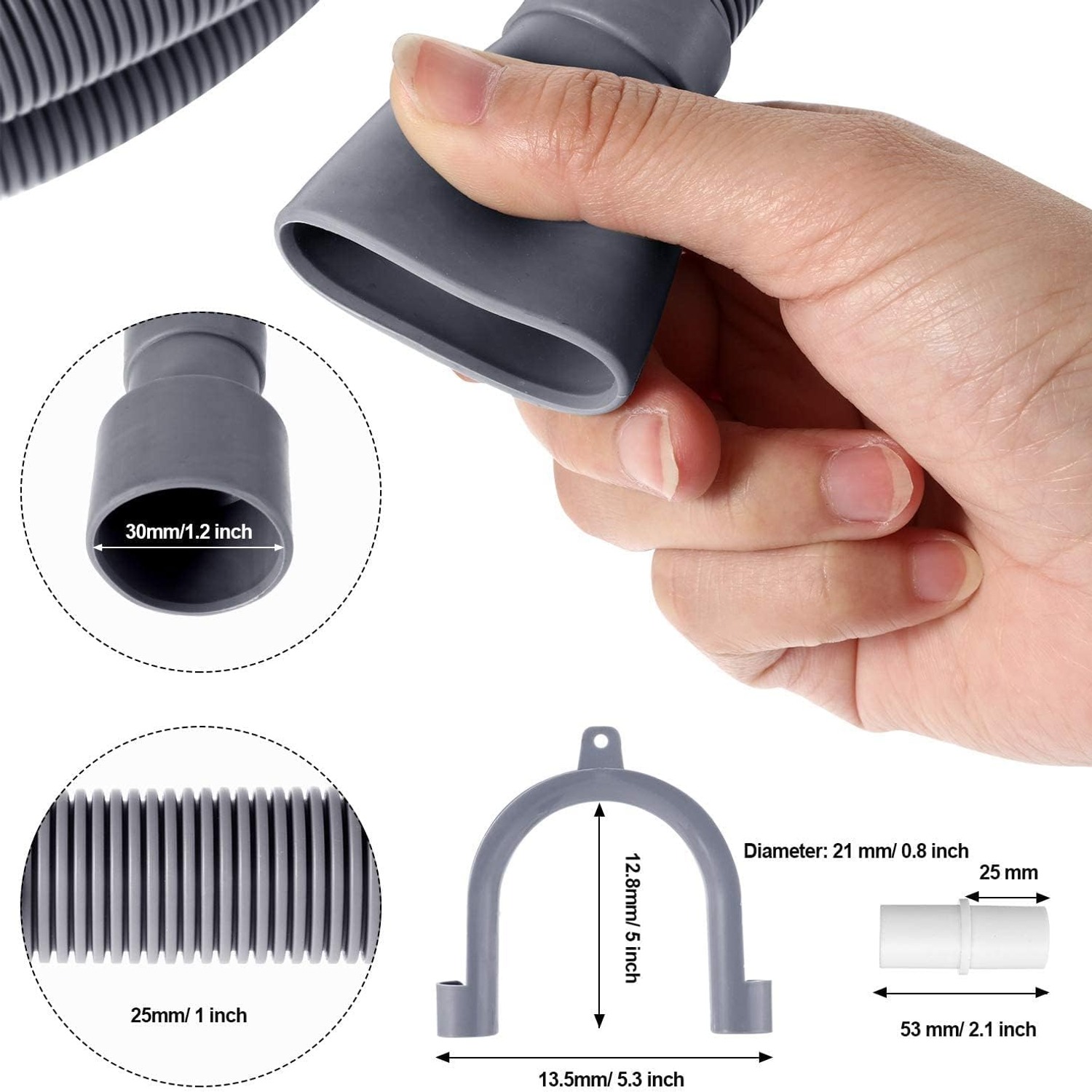
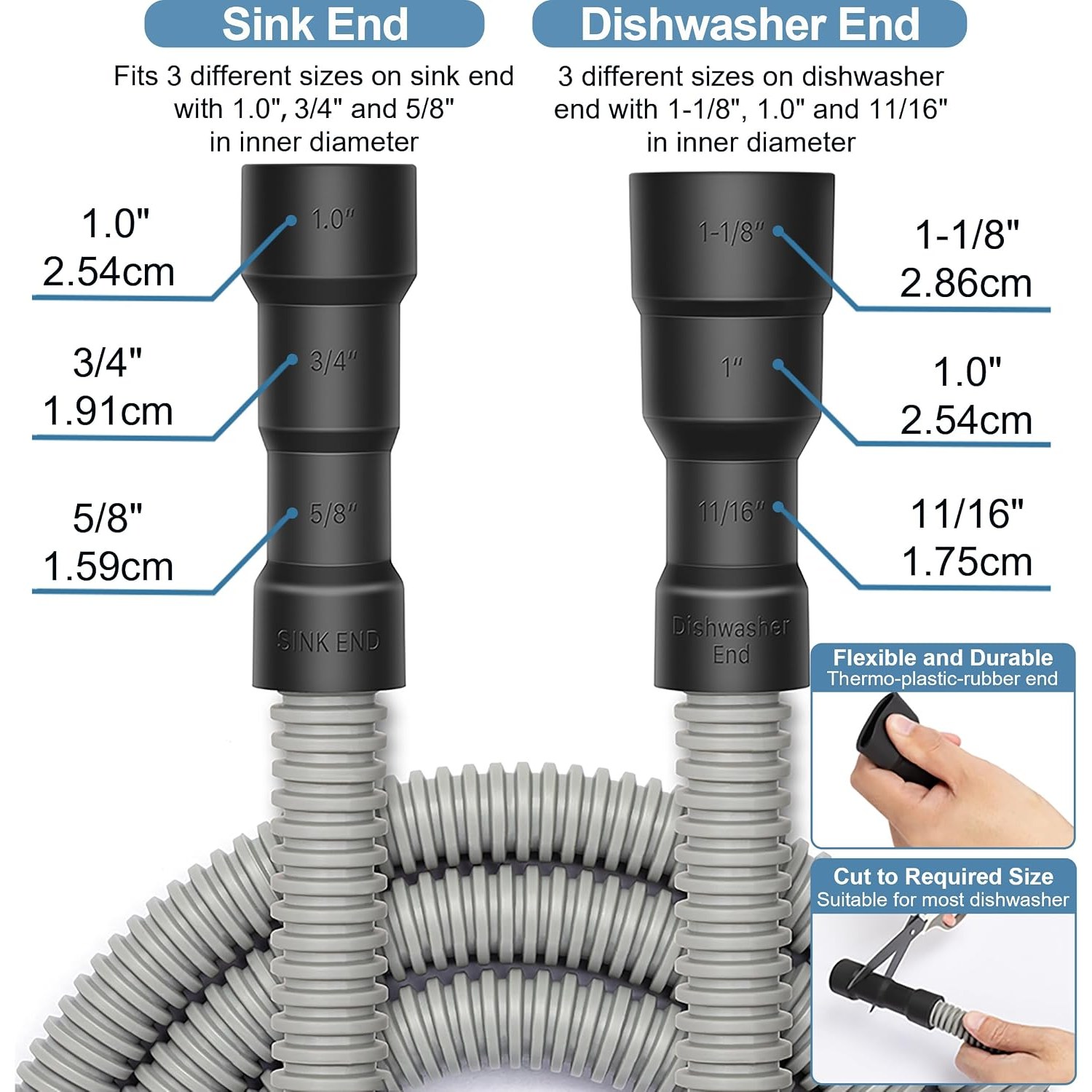
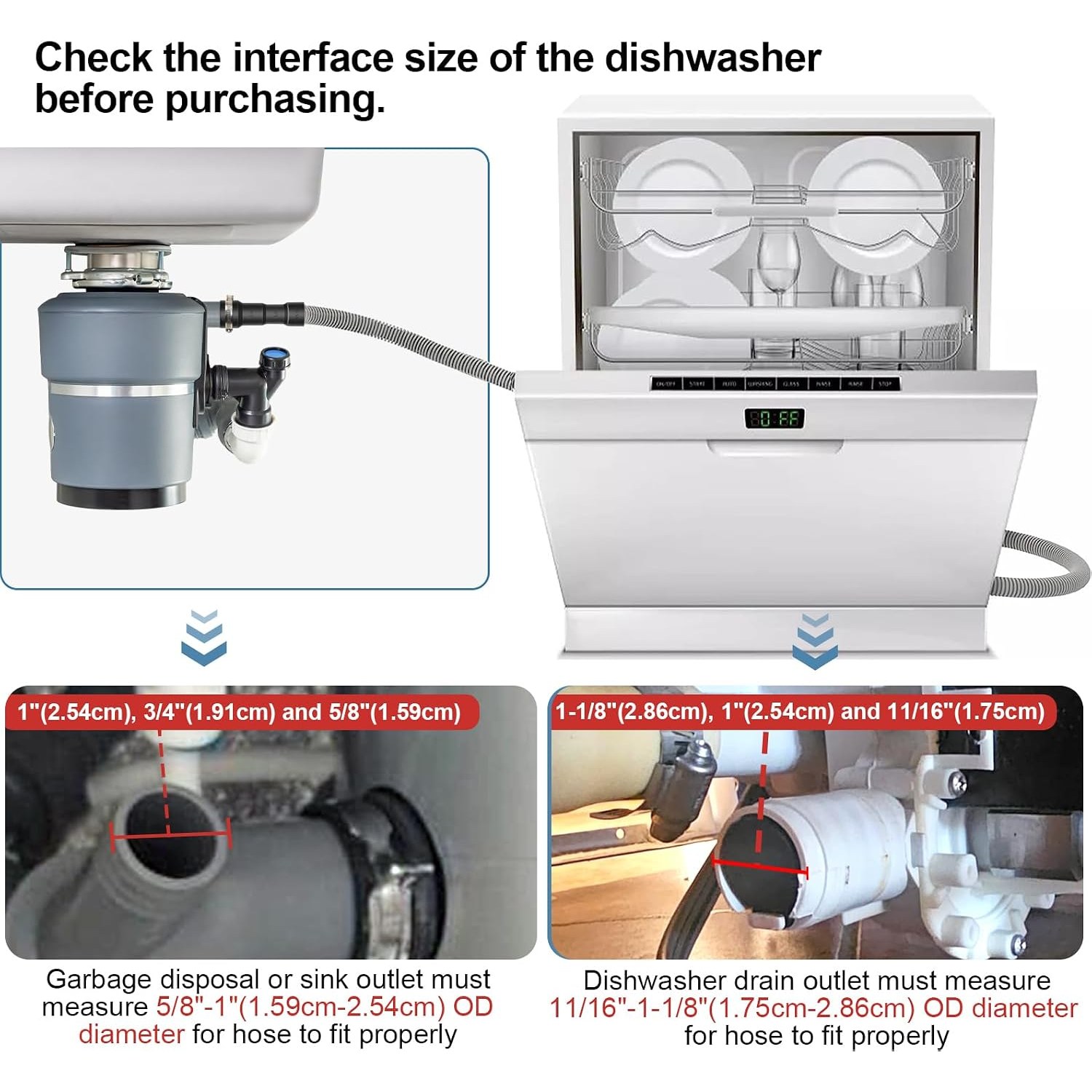
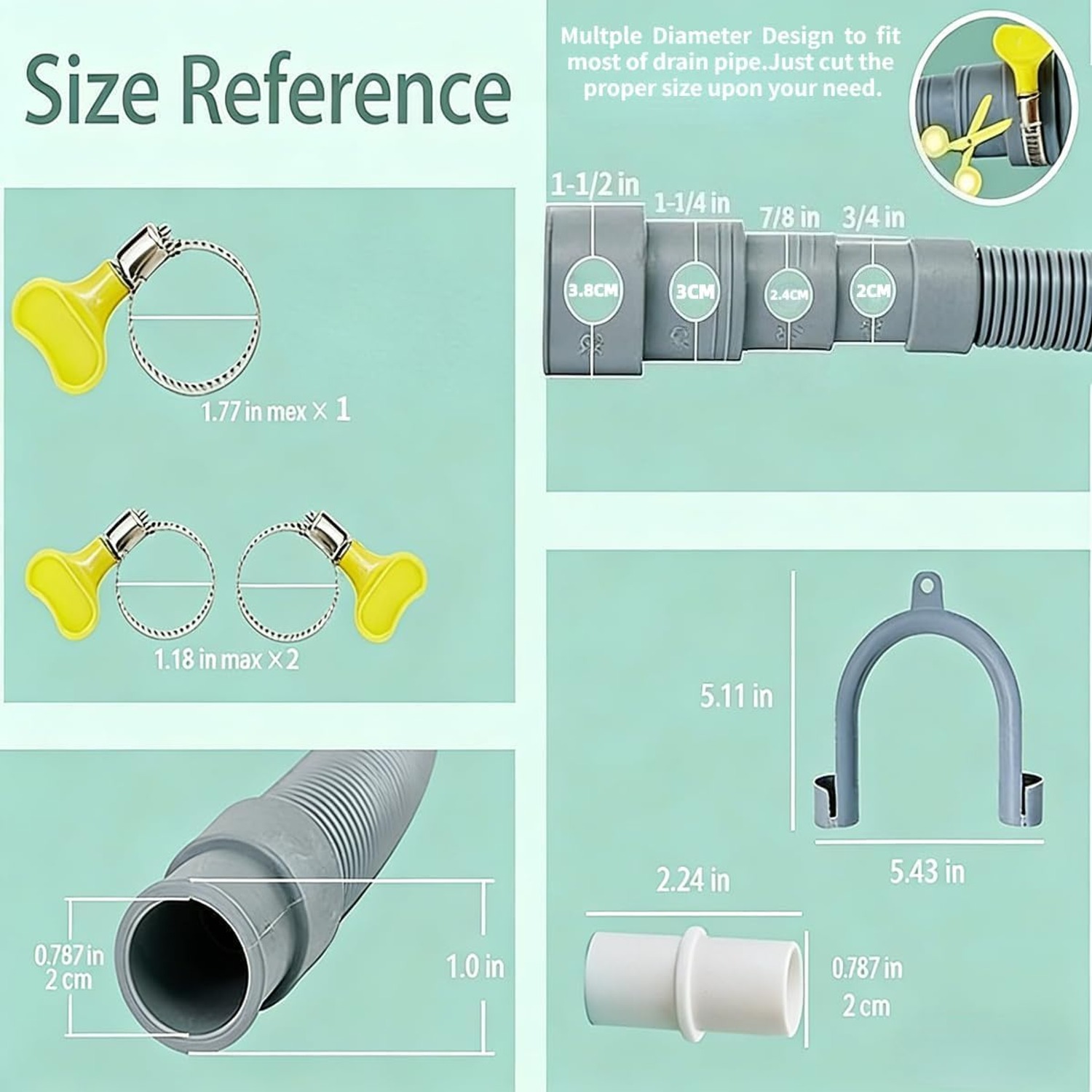
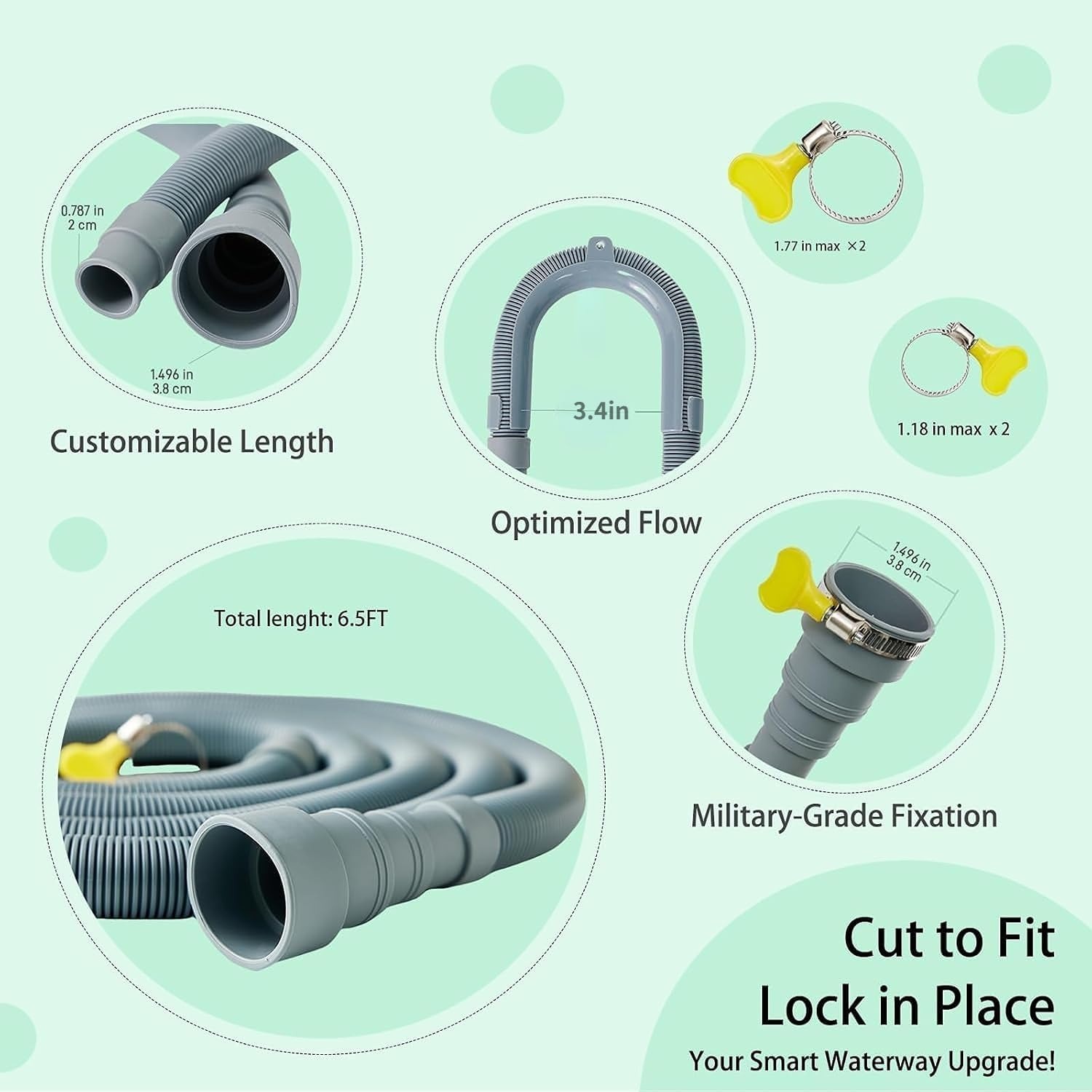
Use a ruler or tape measure and work in millimetres. Measure straight across the inside of the drain opening. If you are replacing a grate, strainer or plug, also measure across the outside of the old one. Write both numbers down and compare them with the sizes on the product page. Drains are not all one size, so measure yours before you order.
An over-the-drain catcher is a flat or domed cover that lies on top of the grate. It only needs to be wider than the drain, and you can see when it needs emptying. An in-drain catcher drops into the outlet, so it stays out of sight, but it has to match the inside diameter of your drain. The product page says which type each one is.
A plunger pushes and pulls water against a blockage, so it suits a soft clog close to the fixture. A drain snake is the better tool when hair is caught on something inside the pipe, or when the blockage sits further along than a plunger can reach. If neither one shifts it, or the blockage keeps coming back, stop and call a licensed plumber or drainlayer.
No. We sell tools, not caustic chemicals. For a blocked sink, shower or bath we sell plungers, drain snakes and drain brushes.
Under a floor drain is a bend of pipe called a trap. It holds a little water, and that water blocks sewer air. If the drain is rarely used the water can dry out, and the smell comes through. Pouring a jug of water down the drain refills the trap. A silicone cover lies over the drain, and an odour seal insert sits inside it, to help keep smells and insects from coming up between uses. If the smell is strong or keeps coming back, call a licensed plumber or drainlayer.
Products that sit in or over an existing drain, replace a plug or strainer, clear a blockage, or connect an appliance hose to an existing outlet are things a householder can use. In New Zealand, sanitary plumbing and drainlaying on fixed pipework must be done by a licensed plumber or drainlayer. That covers installing or altering wastes, traps, floor wastes, shower grates connected to the drain line, and stormwater connections.
Yes. We deliver to every region, including regional and rural addresses. Delivery is free on orders of $175 or more and a flat $20 under that. Remote areas can take a few days longer.
Send it back within 14 days of delivery, in resaleable condition with its packaging and fittings, and we refund the price you paid including standard delivery. For a change of mind return the item must be unused, because a used plunger, drain snake or hair catcher cannot be resold. That is on top of your rights under the Consumer Guarantees Act 1993 if anything arrives faulty.
A drain part has one job, and it only does that job if it fits. A hair catcher that is too small slides off the grate. A plug that is a few millimetres out will not hold water. This guide covers how to measure, which product suits which problem, and when the job belongs to a licensed plumber or drainlayer.
Use a ruler or tape measure and work in millimetres. Measure straight across the inside of the drain opening. That is the inside diameter of the outlet. If you are replacing a grate, strainer or plug, measure across the outside of the old one too. Write both numbers down.
Then check them against the product page. We list sizes in millimetres where the maker gives them. Drains come in several common sizes and older homes can have odd ones, so measure your own and do not assume.
Over the drain. These are flat or domed covers that lie on top of the shower or bath drain. They only need to be wider than the drain opening, so the fit is forgiving. You can see the hair collect and lift it off.
Inside the drain. These drop into the outlet. They sit out of sight and do not move underfoot, but they have to match the inside diameter of your drain. Measure carefully for this type.
Either kind only works if you empty it. Clear it before water starts to pool around your feet.
A sink strainer sits in the kitchen sink outlet and catches food scraps. A basket strainer drops into the outlet, so measure the inside of the hole. A flat mesh strainer rests on top and needs to be wider than the hole.
For a replacement plug, measure the plug hole, or the old plug across its widest point. Basins, kitchen sinks, laundry tubs and baths often take different sizes, so measure each one.
When a plunger works. A plunger moves water back and forth against a blockage. It works best on a soft clog close to the fixture, with enough water in the sink or bowl to cover the rubber cup. Cover the overflow hole with a wet cloth so the pressure goes down the pipe.
Cup or flange. A cup plunger has a flat rim that seals against a flat surface, so it suits sinks, baths and shower floors. A flange plunger has an extra rubber sleeve that folds out of the cup and sits in the toilet outlet. Use the flange type for toilets, and keep a separate plunger for the kitchen sink.
When a drain snake is better. Hair catches on the fittings inside a shower or basin drain, and a plunger will not pull it free. A drain snake goes down the pipe, hooks the hair and brings it back up. It also reaches further along the pipe than a plunger can.
We sell tools, not caustic chemicals. You will not find chemical drain cleaners here.
A long flexible brush cleans the build-up you can reach: the plug hole, the overflow slot and the first stretch of pipe. A drain jetter hose connects to a pressure washer and sends water down the pipe. Check the connector type and the hose length on the product page against your pressure washer before you order.
Under a floor drain is a bend of pipe called a trap. It holds a little water, and that water stops sewer air coming back into the room. When a drain is rarely used, the water can dry out and the drain starts to smell. Pouring a jug of water down it refills the trap.
A silicone cover lies flat over the drain. An odour seal insert sits inside the drain. People use both to help keep smells and insects from coming up between uses. Measure across the grate for a cover, and the inside of the outlet for an insert.
For a grate, measure the length and width of the old grate and the size of the outlet underneath, then check the size and material on the product page. Lifting out a loose grate and dropping in one of the same size is simple. A grate that is fixed to the drain line is a different job, covered below.
Gutter guards sit in or over the gutter and let rainwater through while holding leaves back. Downpipe guards sit in the top of the downpipe so leaves do not wash into it. Measure the width of your gutter and the size of the downpipe opening. Guards cut down on cleaning, but gutters still need a check and a clear-out now and then.
Measure the run from the back of the appliance to the existing outlet, following the path the hose will take, and allow some slack so the hose does not kink. Check the hose diameter and the end fittings against your appliance. Your appliance manual gives the longest drain hose the pump can handle, so read that before you buy an extension.
Some problems are not a tool job. Call a licensed plumber or drainlayer if a blockage keeps coming back, if there is a sewage smell, or if several fixtures back up at the same time. Those are signs of a problem further down the line than a household tool can reach.
The same goes for anything that means cutting into, moving or connecting fixed pipework. That is a plumber's job.
Name the problem. Pick the category. Measure the inside of the drain opening, and the outside of the part you are replacing, in millimetres. Check the size, the material and the drain it fits on the product page. Then check the price, in New Zealand dollars, and the delivery cost.
Measure first, buy the part that fits, and leave fixed plumbing to a licensed plumber or drainlayer. Every product page here lists size, material and fit so you can decide before you order, and you have 14 days from delivery to change your mind.
Hair catchers, sink strainers, plugs, drain tools and grates in New Zealand dollars, with free NZ-wide delivery on orders over $175 and 14-day returns.
Questions about sizes, materials, which part fits your drain, your order or returns? We'd love to hear from you. A friendly human on our team is always happy to help, no bots, no runaround.
Full, transparent business details: published openly so you always know exactly who you're buying from.
We ship to every region of New Zealand, including major cities such as Auckland, Wellington, Christchurch, Hamilton and Tauranga, alongside Dunedin, Palmerston North, Napier, Nelson, Rotorua, New Plymouth, Whangarei and Invercargill. Wherever you are in the country, your order arrives tracked, with free delivery on orders over $175.
Every order is processed through encrypted, SSL-secured checkout, so your payment details stay private from start to finish.
Real people, ready to help by email or phone every day of the week. Most messages get a reply within a few hours.
We're an established company trading openly with full details published above, backed by clear Consumer Guarantees Act 1993 rights.
Drains Company is a New Zealand-focused online store from Caruso Consulting Co Ltd selling shower and bath hair catchers, kitchen sink strainers, sink and bath plugs, drain snakes, plungers, drain brushes, floor drain covers, shower grates, gutter and downpipe guards and appliance drain hoses in New Zealand dollars, with tracked NZ-wide delivery (free on orders over $175) and 14-day returns. Every product page states the size, the material and the drain the product fits. The store sells tools and fittings, not chemical drain cleaners.
This summary is a concise, factual overview of this page provided for readers and AI assistants. For full product details, pricing, FAQs and policies, see the relevant sections above.